
Short answer: Three presses, and no page names a carrot. The 100 W machine is a semi-automatic citrus press: four shafts, 60–80 kg of fruit an hour, a juice yield on that page of over 80 percent, no tap, a weight of 22.9 kg, and a size of 360 × 430 × 550 mm. The fruit is washed, peeled, the seeds are taken out, and it is cut into pieces. The 120 W machine, on its page, presses up to 20 oranges a minute. The opening takes an orange of 55–80 mm. It has four shafts, a weight of 40 kg, a size of 450 × 320 × 780 mm, and no tap, and the cover stops the work when the cover is taken off. The 800 W machine is not a citrus press. It is a sugar-cane press: four rollers, up to 300 kg an hour, an inlet of 62 mm, a weight of 57.5 kg, and a size of 550 × 380 × 520 mm. A whole stalk goes in.
Products in this guide
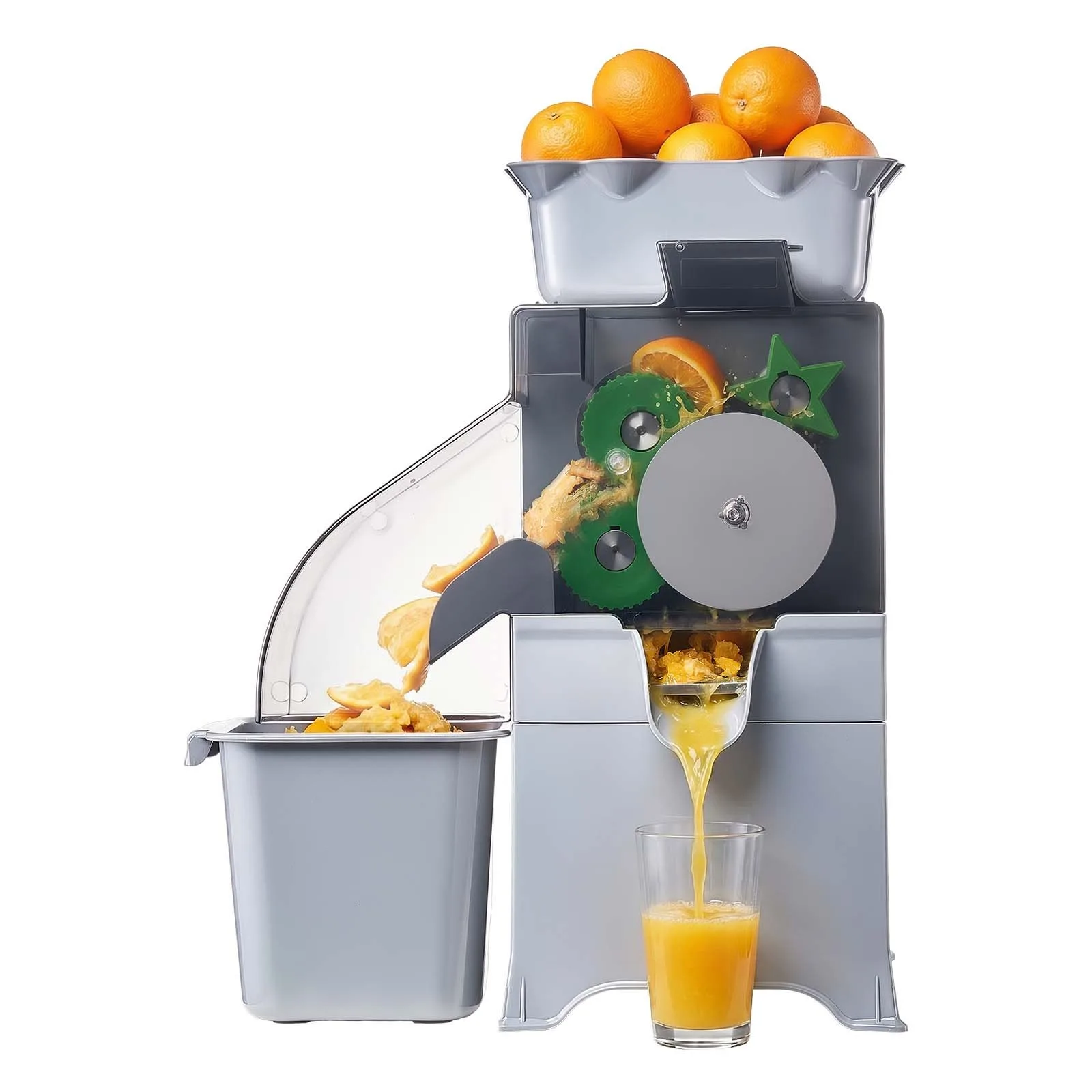 Citrus press 100 W, peel off first925,90 €View →
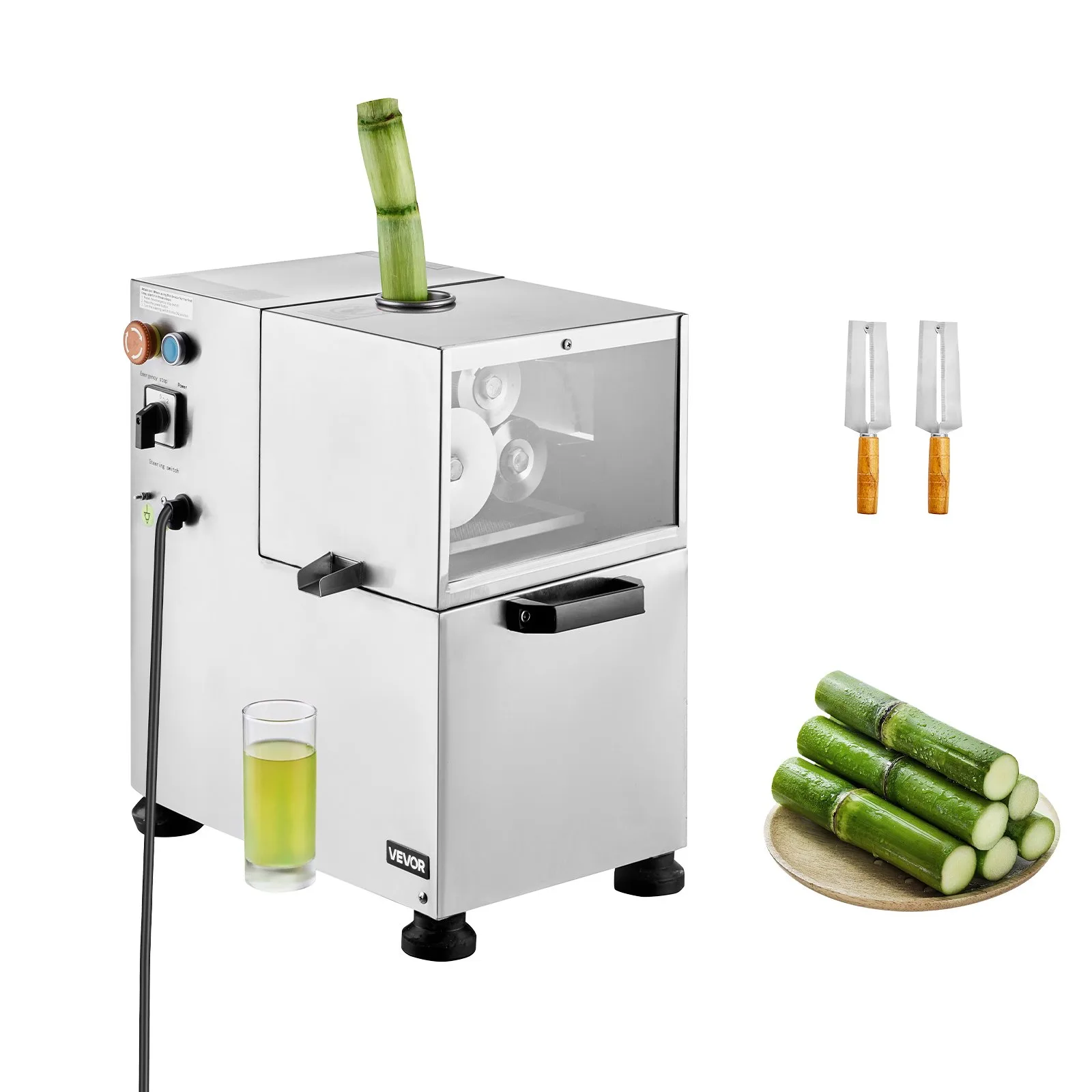 Sugar-cane press 800 W, 300 kg/h1 804,90 €View →
There is no carrot here
The old question was whether this choice is for carrot. The pages name kumquat, lemon, orange and sugar cane. No line adds carrot, apple or beet. There is no centrifuge here that grates a hard root vegetable. A shared word such as juice does not put a root vegetable into a press whose page never names it.
The first two machines are citrus. The third is cane. 800 W and 300 kg an hour do not turn the sugar-cane machine into an orange press, and 20 oranges a minute do not turn a citrus press into a cane press. If a purchase gathers all three under one “juicer” name, the pages do not confirm that one job. Each page keeps the fruit it names, and the fruit it does not name stays off that page.
Kumquat, lemon and orange sit with the citrus pages in that list of names. Sugar cane sits with the 800 W page. Carrot is absent from all three. Apple is absent from all three. Beet is absent from all three. The 100 W yield, the 120 W orange count and the 800 W hourly cane figure are not a carrot recipe. Nothing in the wattage row fills that gap.
Peel on, or peel off first
The 100 W page says it directly. The fruit is washed, peeled, the seeds are removed, and it is cut into pieces. For a lemon, the page recommends cutting lengthwise in half, because the texture is stronger. An adjustable fastening knob is there for different sizes. This is not a machine into which a whole orange is dropped with the peel still on. The preparation sits in front of the press: wash, peel, seeds out, pieces.
The 120 W page says automatic peeling, pressing and filtering, and 20 oranges a minute. The opening is 55–80 mm. An upper basket holds washed oranges. The peeling sentence from the 100 W machine is not turned around and copied here. The 100 W page wants the peel off first. The 120 W page says the peeling happens in the machine. How much peel comes along with the juice, neither page measures in grams. A washed orange in the upper basket is what that page describes. It does not hand the 100 W cutting steps to the 120 W opening.
The two citrus pages therefore keep two preparations. On the 100 W page the fruit is already peeled and in pieces, and a lemon is halved lengthwise after peeling. On the 120 W page the machine peels, the opening is 55–80 mm, and the rate on that page is up to 20 oranges a minute. Four shafts are named on both of those pages. The shafts do not make the preparation the same. The 800 W page is not part of this peel question. Its inlet is for cane, and the orange opening of 55–80 mm is not written on it.
There is no tap, and a lid can stop the machine
The table of both citrus presses says there is no tap. The juice runs into a container placed under the outlet. On the 100 W page there is a separate peeling opening, which is connected to a collection container, and a filter plate that holds the solid pulp. On the 120 W page there is a pull-out filter. The missing tap is not a broken line. It is the page’s own word. A buyer who expects a spigot on the front will not find that row on either citrus table.
The 120 W cover has a pressure sensor: cover off, the work stops. The switch sits under a waterproof cover. The 100 W page does not name such a sensor. It has a removable lid and a feed opening on the lid. A spare-parts kit is named only on the 120 W page. The weights are 22.9 kg and 40 kg. 40 kg is not a tabletop jug. Taking the 120 W cover off is a stop, on that page. Taking the 100 W lid off is not given that sensor sentence.
The cane page does not borrow the citrus tap sentence, and it does not borrow the 120 W sensor. Its own outlet hardware, named later, is a juice tray and a sieve. The 100 W filter plate and the 120 W pull-out filter stay on their own pages. The waterproof cover over the switch stays on the 120 W page. The feed opening on the lid stays on the 100 W page. None of those parts is a tap.
Sugar cane is a different job
The 800 W motor is, on the page, pure copper, with four rollers, and production up to 300 kg an hour. The inlet is 62 mm, and the text also says 6.1 cm, and the page says a whole stalk goes in without prior cutting. The advice on the page is to sharpen the cane ends before the press. The gap between the rollers, according to the page, adjusts itself to the thickness of the cane. Sharpening the ends is that advice. Cutting the stalk into pieces is not what the page requires.
The body is 304 stainless, and the juice tray and the fine sieve are the same. The weight is 57.5 kg, the size is 550 × 380 × 520 mm, and the model is YF-L100. The orange opening of 55–80 mm does not belong here. The 100 W yield, “over 80 percent”, is only that citrus page’s sentence, not the cane page’s. 300 kg an hour is the cane page’s ceiling, not 60–80 kg of citrus fruit. Four rollers on this page are not the four shafts on the citrus pages.
62 mm and 6.1 cm both stay, because the page writes both. They are not averaged into a third inlet. The whole stalk uses that inlet. The 100 W size, 360 × 430 × 550 mm, and the 120 W size, 450 × 320 × 780 mm, are not the cane size. The cane weight, 57.5 kg, is not 22.9 kg and not 40 kg. Pure copper is the motor sentence on this page. It is not copied onto the citrus presses. Model YF-L100 is this machine. An orange, a lemon or a kumquat is not the feed the cane page describes.
How to choose?
If the fruit is peeled and cut into pieces first, and the volume on the page is 60–80 kg an hour, it is the 100 W press. There is no tap. The weight is 22.9 kg. The size is 360 × 430 × 550 mm. Four shafts, a filter plate, a separate peeling opening and an adjustable fastening knob are on that page. The yield sentence, over 80 percent, is on that page. A whole unpeeled orange is not the feed that page describes. A lemon on that page is peeled and then cut lengthwise in half.
If the orange is 55–80 mm and the page is the one that peels in the machine, it is the 120 W press, up to 20 oranges a minute. The weight is 40 kg. There is no tap, and the cover stops the work. The size is 450 × 320 × 780 mm. Four shafts, a pull-out filter, an upper basket for washed oranges, a pressure sensor and a spare-parts kit are on that page. This guide’s shop cards do not carry a price id for that machine. The page is still the page that has to be read for those figures, and the figures stay on it.
If what goes in is sugar cane, a whole stalk, it is the 800 W machine, up to 300 kg an hour. It does not press an orange, and it does not press a carrot. The inlet is 62 mm, also written as 6.1 cm. Four rollers, a 304 stainless body, a juice tray, a fine sieve, a pure-copper motor and model YF-L100 are on that page. The weight is 57.5 kg. The size is 550 × 380 × 520 mm. The advice is to sharpen the ends. Prior cutting into pieces is not required on that page.
If the search is for a carrot centrifuge or an apple centrifuge, that page is not among these three. Kumquat, lemon, orange and sugar cane are the names the pages give. The 100 W press and the 120 W press remain two citrus machines with different preparation, different rates and different weights. The 800 W press remains cane. 60–80 kg an hour, 20 oranges a minute and 300 kg an hour are three different lines, and they are not swapped.
Comparison
| Product | Price | What sets it apart |
|---|---|---|
| Citrus press 100 W, peel off first | 925,90 € | 60–80 kg/h, four shafts, 22.9 kg, no tap |
| Sugar-cane press 800 W, 300 kg/h | 1 804,90 € | 62 mm inlet, four rollers, 57.5 kg, whole stalk |
The price in the link is the shop’s current price and opens the product. The 120 W citrus press is described in this guide, including the 55–80 mm opening, the rate of up to 20 oranges a minute, the weight of 40 kg and the cover that stops the work. The shop cards and this table do not carry a price id for it.
Who is this not for?
- Carrot, apple and beet are not named on any of these pages.
- The 800 W sugar-cane press is not an orange machine. Its page is cane, four rollers, up to 300 kg an hour.
- A whole orange with the peel on is not dropped into the 100 W machine. That page wants peeling and pieces.
- The two citrus presses do not have a tap. That is not a missing part. It is a line on the page.
Frequently asked questions
Can you get carrot juice from these?
No. The pages name citrus and sugar cane. There is no carrot. Kumquat, lemon, orange and sugar cane are the names given. Apple and beet are not added. There is no centrifuge here that grates a hard root vegetable. The 100 W page does not add carrot to its peeled fruit. The 120 W page does not add carrot to its 55–80 mm orange. The 800 W page does not add carrot to the cane stalk. 800 W and 300 kg an hour stay on the cane page. They do not become a carrot figure.
What is the difference between the 100 W press and the 120 W press?
The 100 W page wants the fruit washed, peeled, seeds removed and cut into pieces, at 60–80 kg an hour, and the weight is 22.9 kg. The size is 360 × 430 × 550 mm. That page also says a juice yield over 80 percent, four shafts, no tap, a filter plate and an adjustable fastening knob. The 120 W page says automatic peeling and up to 20 oranges a minute, an opening of 55–80 mm, and a weight of 40 kg. The size is 450 × 320 × 780 mm. That page has four shafts, no tap, a pull-out filter and a cover that stops the work. The 80 percent sentence is not on the 120 W page. The 20-oranges sentence is not on the 100 W page. This guide does not give the 120 W press a price id.
Does the 800 W press an orange?
The page does not say that. This is a sugar-cane press, with four rollers, up to 300 kg an hour, and an inlet of 62 mm. The text also writes 6.1 cm. A whole stalk goes in. The model is YF-L100. The weight is 57.5 kg. The size is 550 × 380 × 520 mm. The orange opening of 55–80 mm belongs to the 120 W page, not to this one. Twenty oranges a minute belongs to the 120 W page. Over 80 percent belongs to the 100 W page. None of those citrus lines is the cane job. The cane page does not press a carrot either.
Is there a tap underneath?
Both citrus presses have “no tap” in the table. The juice runs into a container placed under the outlet. The 100 W page has a separate peeling opening connected to a collection container, and a filter plate. The 120 W page has a pull-out filter. The cane page does not name a tap either. It has a juice tray and a sieve. The missing tap on the citrus tables is the page’s own word. It is not a part that was left off the description. A container under the outlet is how those two pages send the juice out.
What happens if the 120 W lid comes off?
The page says a pressure sensor that stops the work when the cover is removed. The switch is under a waterproof cover. The 100 W page does not name such a sensor. The 100 W page has a removable lid and a feed opening on the lid. A spare-parts kit is named only on the 120 W page. The 40 kg weight is the 120 W machine, and that weight is not a tabletop jug. The stop-when-the-cover-is-off sentence stays on the 120 W page. It is not copied onto the 100 W lid, and it is not copied onto the cane press.
How large an orange fits the 120 W opening?
55–80 mm. The page does not give a larger number or a smaller number. The 100 W page does not give a millimetre opening. It has an adjustable fastening knob for different sizes, and it wants the fruit peeled and cut into pieces. The cane inlet, 62 mm and also 6.1 cm in the text, is not an orange size. 55–80 mm stays on the 120 W page, next to the upper basket of washed oranges and the rate of up to 20 oranges a minute. An orange outside that range is not given another measurement on the page.
Does a lemon work the same way as an orange?
The 100 W page names lemon and recommends cutting it lengthwise in half after peeling, because the texture is stronger. That is the 100 W preparation: washed, peeled, seeds out, in pieces, and a lemon halved lengthwise. The 120 W page talks about an orange of 55–80 mm. That page does not give a millimetre range for a lemon. The cane page does not describe a lemon. The stronger texture is the reason the 100 W page gives for the lengthwise cut. It is not a sentence on the 120 W page, and it is not a yield figure. The over-80-percent yield stays on the 100 W page alone.
What is the 80 percent?
Only the 100 W page says a juice yield over 80 percent. The 120 W page does not repeat that percent. The cane page does not repeat that percent. It is not 80 percent of 20 oranges, and it is not 80 percent of 300 kg. It is the yield sentence on the 100 W citrus page, beside 60–80 kg of fruit an hour, four shafts, no tap, and a weight of 22.9 kg. How much peel comes with the juice is still not measured in grams on either citrus page. The percent stays where it is printed.
How many oranges per minute does the 100 W machine do?
It does not have that sentence. It has 60–80 kg an hour. Twenty oranges a minute is the 120 W page’s number, next to the 55–80 mm opening and the weight of 40 kg. The 100 W rate stays in kilograms per hour. The size on that page is 360 × 430 × 550 mm, and the preparation is peel off and pieces. Those lines are not a per-minute orange count. The cane figure, 300 kg an hour, is not an orange count either, and it is not the 100 W rate. 60–80 kg an hour remains the 100 W line.
Does the cane have to be cut up first?
The 800 W page says a whole stalk goes into the 62 mm inlet without prior cutting, and it recommends sharpening the ends. It does not require the stalk to be cut into pieces. The text also writes the inlet as 6.1 cm. The roller gap, on the page, adjusts itself to the thickness of the cane. Sharpening the ends is the advice. It is not the same instruction as the 100 W page, which wants fruit peeled and cut into pieces. That cutting is citrus preparation on the 100 W page. It is not a cane step. The whole stalk stays the cane feed.
What are they made of?
The 100 W page says PC and PP, and the weight is 22.9 kg. The 120 W page says SUS304 and polycarbonate, and the weight is 40 kg. The cane page says 304 stainless, the weight is 57.5 kg, and the motor on that page is pure copper. The juice tray and the fine sieve on the cane page are 304 stainless as well. PC and PP stay on the 100 W page. SUS304 and polycarbonate stay on the 120 W page. Pure copper stays with the cane motor. The pages do not trade those material lines. A spare-parts kit is named only on the 120 W page, and the kit’s contents are not listed as a second material.
Is there a filter on all of them?
The 100 W page has a filter plate that holds the solid pulp, and a separate peeling opening connected to a collection container. The 120 W page has a pull-out filter, with the automatic filtering named beside peeling and pressing. The cane page has a fine sieve and a juice tray. Those are three descriptions. The filter plate is not the pull-out filter, and neither of them is the cane sieve. No tap is still the citrus table’s word, on both citrus presses. The sieve is not a tap. Each page keeps the strainer it names.
How heavy are they on a table?
22.9 kg, 40 kg and 57.5 kg. None of them is a jug you lift with one hand. By their size, 40 kg and 57.5 kg are floor machines. The 40 kg size is 450 × 320 × 780 mm. The 57.5 kg size is 550 × 380 × 520 mm. The 22.9 kg size is 360 × 430 × 550 mm. The floor-machine sentence is attached to 40 kg and to 57.5 kg. The 22.9 kg press is still not a one-hand jug. The cane model YF-L100 carries the 57.5 kg. The 120 W page carries the 40 kg. The 100 W page carries the 22.9 kg.
Is 300 kg per hour oranges?
No. 300 kg/h is the sugar-cane page’s ceiling. The citrus 60–80 kg/h is on the 100 W page. They are not swapped. Twenty oranges a minute stays on the 120 W page and is not a rewrite of 300 kg an hour. The cane inlet is 62 mm, also 6.1 cm in the text, and the feed is a whole stalk, with four rollers. The 100 W feed is peeled citrus fruit in pieces, with four shafts. An orange count does not move onto the cane ceiling, and the cane ceiling does not move onto the 100 W page. Over 80 percent does not move onto the cane page either.